Visit the Potteries Museum and Art Gallery on Saturday, October 18, to celebrate Diwali.
Diwali is the colourful and vibrant Hindu and Sikh Festival of Lights.
Visitors will see different traditional Indian dances performed by professional and semi-professional artists. They will show you Kathak, Bharatanatyam, Kaikottikali, Bhangra and Bollywood dances which come from different parts of India.
There will be stalls in the foyer where you can buy Indian clothes, jewellery and vegetarian street food.
The celebration starts at 11.00am and ends at 5.30pm. Free Admission.
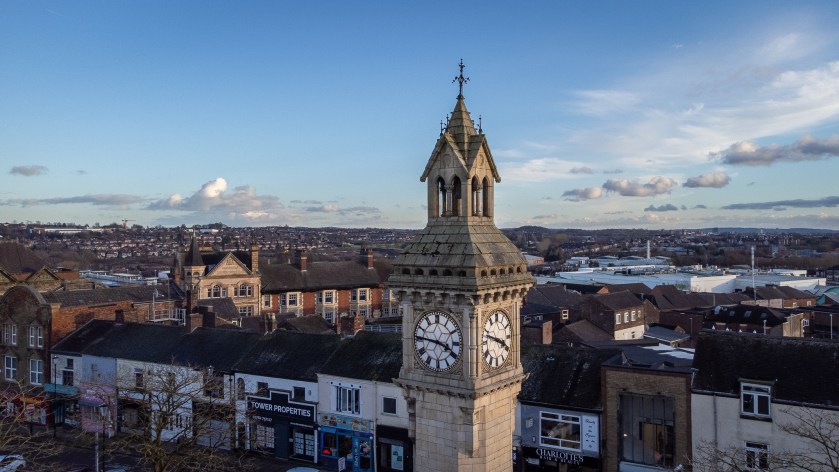
Newcastle-under-Lyme is a historic market town rich in heritage and modern charm. This video shows the winding streets of the town centre, where markets have been held for centuries, Queen’s Gardens and Brampton Park. It is a vibrant town, where tradition blends with innovation.
Newcastle-under-Lyme will help to make North Staffordshire’s Industrial Landscape a World Heritage Site.
High energy costs are threatening the Pottery industry’s future.
Local firms are paying £875 million a year for the energy they use. An analysis by Nottingham Trent University indicates that Britain’s ceramic industry spends 70% of its turnover on energy and 14% on government and regulatory levies.
Energy costs for the pottery industry in America and China have not risen since 2020.
The analysis examined a company based in Stoke-on-Trent with 49 employees and a turnover of approximately £630,000. This year, the firm will be paying £443,000 for the energy it uses.
Pottery worker Sharon Yates said to delegates attending the Labour Party Conference: “I am a proud pottery worker – just like my dad before me. The most highly skilled potters make ceramics in my town and we export the round the globe. But the industry we rely on is dying.
Tell us what you think. Do you agree with Sharon? Is the pottery industry dying, or can it survive the high cost of energy? If the industry is on its last legs, what does the future hold for Stoke-on-Trent?Have your say and tell us what you think.
The government’s refusal to list historic buildings that Historic England has recommended for listing worries the Victorian Society.
Ignoring Historic England’s advice can erode trust in the listing process and put heritage buildings at risk.
Historic England recommended listing the part of Medlock Mill in Manchester, which was built in the 1790s or early 1800s. The government refused to list them.
There have been other instances where the government has decided to reject Historic England’s recommendations.
The Victorian Society and similar groups want to see greater public accountability in the way the government makes its decisions.
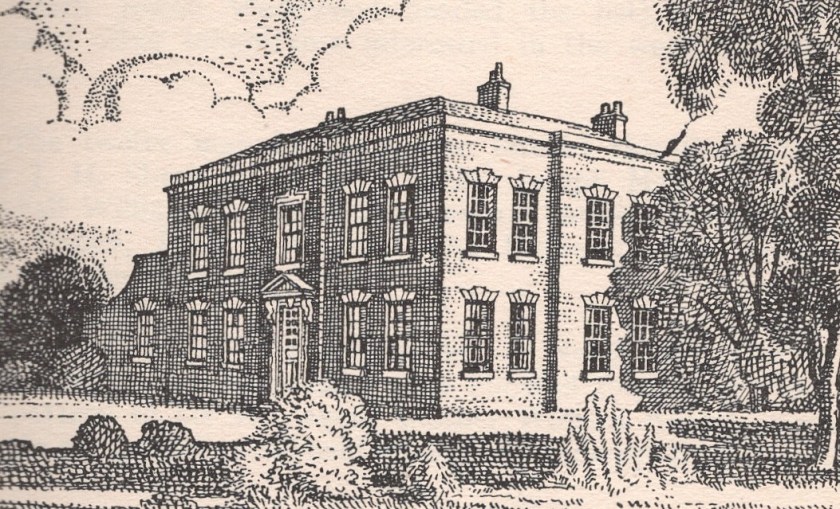
This image shows Wood & Caldwell’s Fountain Place Works in Burslem. In the 1790s the company made Staffordshire figures, earthenware and stoneware. Enoch Wood and James Caldwell were partners in the firm.The firm owned Bycars Colliery, where it mined coal to fire the factory’s bottle ovens and kilns.
A Description of the Country From Thirty to Forty Miles Round Manchester, a book published in 1795, was compiled by Dr John Aikin. The book tells us about Newcastle-under-Lyme and North Staffordshire’s pottery towns and villages in the 179os
This edited extract from the book describes Burslem and Cobridge as they were in the 1790s.
Burslem
Burslemis the home of North Staffordshire’s pottery industry. Earthenware has been made there for many centuries. Dr Plot, in his History of Staffordshire, written in 1686, said that the factories making pottery in Burslem were the largest in the district…
The town has two weekly markets. A large market is held on Monday, and a smaller one is held on Saturday. Four or five years ago, cattle markets were established. These markets are well attended by cattle dealers and butchers.
Burslem is a parish in its own right. The parish church, St John’s, has a good organ. The church has recently been enlarged and regenerated.
There are a large number of [Wesleyan] Methodists in the district. The Methodists have built a large chapel in Burslem and erected chapels in several pottery towns and villages. There are many other religious sects in the Potteries. Few areas have such a great diversity of sincerely held religious opinions.
Cobridge
Cobridgeis an industrial village where earthenware is made. It is partly in Burslem Parish and partly in Stoke Parish.
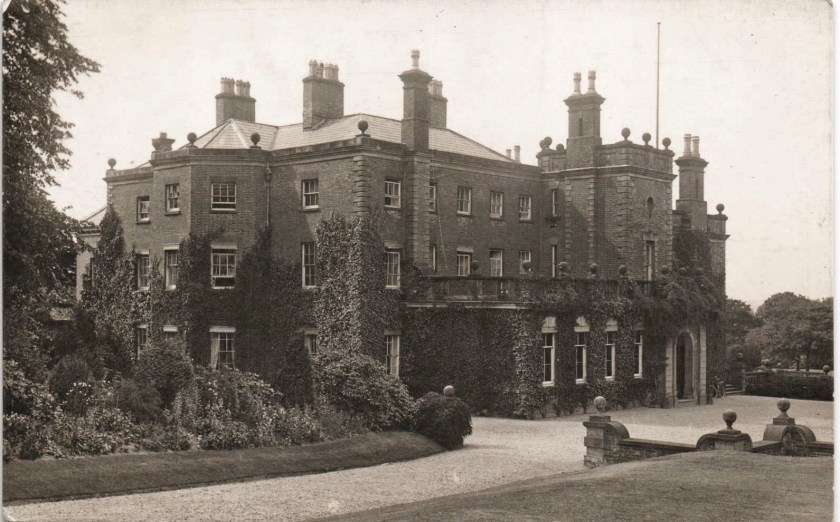
Not far from Leek, the Cheddleton Asylum, later called St Edward’s Hospital, was the third County Asylum to be built in Staffordshire. This vast institution, initially designed to accommodate 618 patients in 16 wards, was intended to relieve chronic overcrowding at the Stafford and Burntwood Asylums. The site at Bank Farm, Cheddleton, near Leek, was decided upon in preference to the original proposal of land at Bramshall Park Farm, Uttoxeter, because it was on elevated land; a criteria considered essential to provide a healthy environment for the patients.
Come to the Potteries Museum and Art Gallery on Saturday, 4 October to celebrate Black History Month.
The event is a creative cultural day that celebrates the art, music and food of people of African or Caribbean descent.
This year, Black History Month’s theme is ‘Standing Firm in Power and Pride’, a tribute to the resilience, strength, and unwavering commitment to progress that define the Black community.
During the day, there will be a wide range of events including craft workshops, dancing, music and singing, Ghanaian acrobatics, stalls and many more things to enjoy.
The celebration starts at 11 am and ends at 5 pm. Admission is free.
My journey spans the transformative years between 1980 and 2007, documenting the vibrant nightlife, iconic local landmarks, businesses and the palpable atmosphere that once defined my hometown. A town full of so much hope for a future that never came.
In the 80s and 90s, Hanley’s nightlife was the heartbeat of the towns night-time economy. Iconic clubs like The Place, Chicos, Satchmos and Golden at the Academy, the latter attracting busloads from the West-Midlands and Manchester, hosted world famous DJs, featured on MTV and in numerous sub-culture magazines of the day.
Moorcroft Pottery in Cobridge, which closed in April, has reopened. Will Moorcroft, who bought the firm and saved it from liquidation, has restarted production. Will, whose grandfather William Moorcroft founded the company, said he was “quite emotional” when the factory started making ware again.