The Poor Law Acts were passed in 1597 and 1601 towards the end of the reign of Elizabeth I. These laws required every parish to care for its own poor. Poor relief for each parish was the responsibility of the Overseers of the Poor. They who were elected every year and were answerable to the Justices of the Peace at Quarter Sessions. The Overseers of the Poor were unpaid officers who were often local farmers and craftsmen. The overseers had the right to raise money from local rates or ‘assessments’, to relieve the poor. They had to balance the requests from the poor with pressure from the ratepayers to keep costs down.
Tag: Derbyshire
John Louis Petit – A Staffordshire Artist
“When I started working at Buxton Museum and Art Gallery, I was given a tour of the stores and instantly spotted watercolours by the same artist, the Rev. John Louis Petit.”
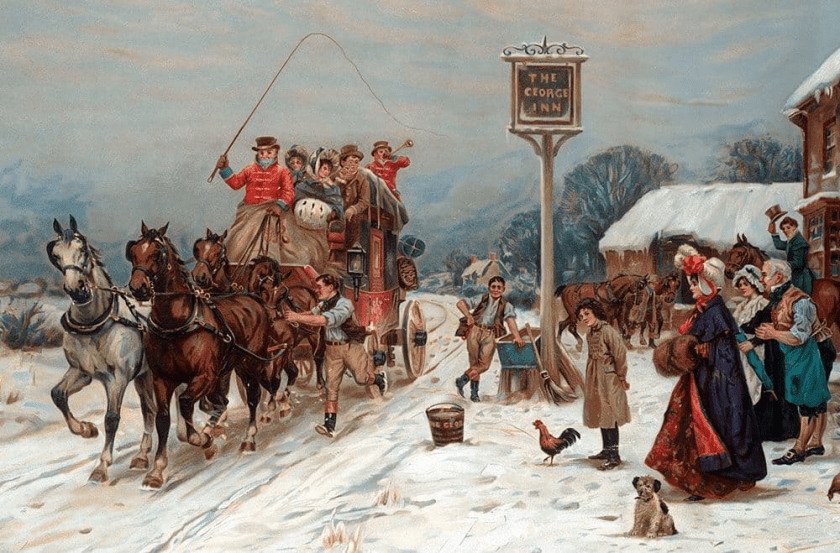
Stagecoaches, Coaching Inns and Snow
This repost comes from The Old Roads of Derbyshire, a site everyone interested in Derbyshire’s history should visit at http://oldroadsofderbyshire.com/ We enjoy reading the posts on this site. You will, too.
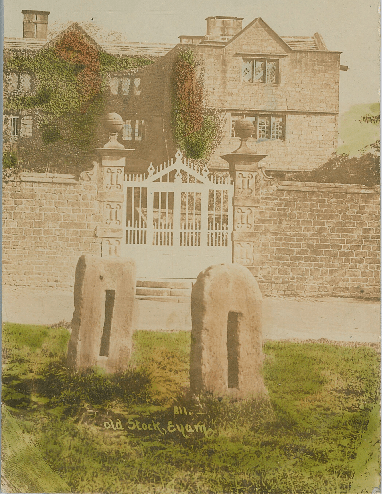
Tomato to the Face: The Use of Stocks in Derbyshire
There were two sets of stocks in Tunstall in the 1840s. One set was in front of the steps leading to the market hall on the ground floor of the Courthouse in Market Square (Tower Square). The other set of stocks was outside the Police Station in High Street.

As a Museum Assistant who once got sent outsideof her primary school classroom for making a full stop too big, I am well-versed with just and fair punishment. With this in mind, this blog will be exploring the past use of stocks in towns and villages near Buxton to deter misbehaviour and facilitate punishment.
Derbyshire is home to several village stocks,scattered throughout its picturesque villages. The stocks at Chapel-en-le-Frith, for instance, are said to date from the Cromwellian period and are located on the town’s historic Market Place. The stocks currently viewable to visitors and residents, however, date from the eighteenth century. As the stocks are made from woodthey are naturally subject to decay and rotting, thus have been replaced overtime.

Since the medieval period to the nineteenth century, stocks have been used to…
View original post 507 more words
 North Staffordshire Heritage