We have spent most of the week reorganising our filing system and image archive. Several new posts have been put on this site. They include details of services provided by Staffordshire Library and a video about the Armstrong Whitley Bomber.
The Whitley Bomber was one of the many civil and military aircraft designed by John Lloyd.
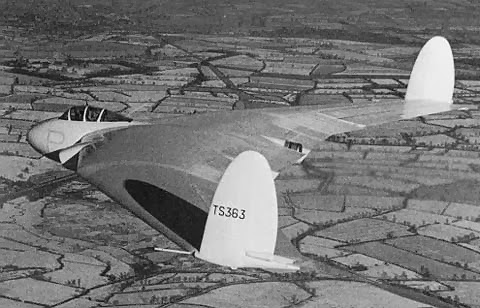
The Whitley was a Second World War heavy bomber. Built in Coventry, the Whitley was designed by John Lloyd, who grew up in Etruria. Other aircraft designed by John included the experimental flying wing, which ushered in the jet age and helped to create the V Bomber force and Concorde
Sir Morien Morgan, the Director of the Royal Aircraft Establishment at Farnborough, said John was one of the 20th century’s leading aeronautical engineers.
John is regarded as one of the 20th century’s leading aircraft designers.
Stoke-on-Trent, the city where he received his education and served an apprenticeship, has refused to recognise his achievements.
We hope you have a relaxing and enjoyable weekend. Take care. We will see you again on Monday.
John Lloyd, whom Sir Morien Morgan, the Director of the Royal Aircraft Establishment at Farnborough, said was “one of the 20th century’s leading aeronautical engineers”, is Stoke-on-Trent’s forgotten aircraft designer.
His most important contribution to aviation history was research into laminar flow and the creation of experimental Flying Wings that helped to create the V Bomber force and Concord.
Born near Swansea in 1888 into a Welsh-speaking family, four-year-old John could not speak English when they moved to the Potteries. An intelligent child, he quickly mastered the English language and won a scholarship to Hanley High School. Leaving school at sixteen, he became an apprentice at Shelton Bar, an iron and steel works at Etruria and studied engineering at Stoke Technical School.
Fascinated by the Wright brother’s attempts to build a petrol-engine-powered glider, he designed and built model flying machines in his spare time.
Before the First World War (1914-1918) aeroplanes had wooden frames covered with canvas. Having studied aerodynamics, John believed that an all-metal aircraft could be built. When war broke out, he was employed by the Royal Aircraft Factory to design composite wood, metal and canvas fighter planes.
Coventry-based aircraft manufacturer Armstrong Whitworth made him its chief designer in the 1920s, and he designed the Siskin fighter bomber.
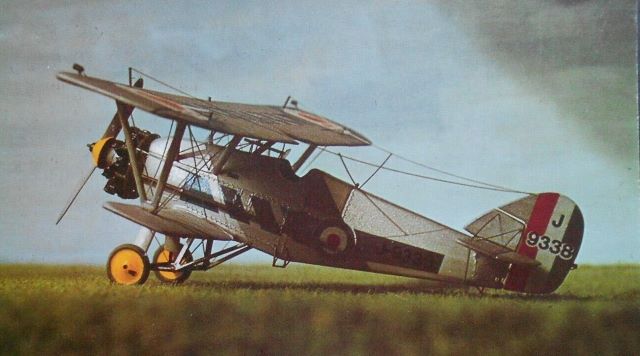
The Siskin
In 1923, a specially built two-seater Siskin 11 won the King’s Cup Air Race, reaching a speed of 149 miles per hour. Shortly afterwards, he modified the aircraft’s design and constructed the Siskin 111, the Royal Air Force’s first all-metal framed biplane.
Armed with two Vicker’s machine guns, the aircraft could carry four small bombs. It had an open cockpit and was powered by an Armstrong Siddely Jaguar radial piston engine.
This post is taken from a series of articles about John Lloyd written by Betty Martin when she was researching Aviation History. Copyright: North Staffordshire Heritage 2024.

 North Staffordshire Heritage