Newcastle-under-Lyme Workhouse

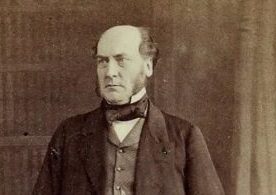
George Gilbert Scott (1811-1878) was one of England’s leading architects. Between 1835 and 1845, George and his partner, William Moffatt, designed over forty workhouses.

One of Victorian England’s leading architects, George Gilbert Scott, designed Newcastle-under-Lyme workhouse.

Born at Gawcott in Buckinghamshire on July 13th, 1811, George was the third son of the Rev. Thomas Scott and his wife, Euphemia.

Educated at home by his father, George became an architect. He went into partnership with William Bonython Moffatt. The firm specialised in building workhouses, and George designed the Newcastle workhouse to accommodate 300 inmates.

Newcastle-under-Lyme workhouse opened in 1840. An Elizabethan-style building in Keele Road, it cost £6,000. The workhouse was enlarged a few years later when an infirmary, workshops and a laundry were erected. Casual wards for vagrants were constructed in 1878.

During the 1880s, a hospital was built on land behind the workhouse.

Newcastle-under-Lyme Workhouse

George Gilbert Scott (1811-1878) was an English architect. He began his career designing workhouses. Between 1835 and 1845, George and his partner, William Moffatt, designed over 40 workhouses including the one at Newcastle-under-Lyme.

One of Victorian England’s leading architects, George Gilbert Scott, designed Newcastle-under-Lyme’s workhouse.

Born at Gawcott in Buckinghamshire on July 13th, 1811, George was the third son of the Rev. Thomas Scott and his wife, Euphemia.

Educated at home by his father, George became an architect. He went into partnership with William Bonython Moffatt. The firm specialised in building workhouses, and George designed Newcastle-under-Lyme workhouse. which accommodated 300 inmates.

The workhouse opened in 1840. An Elizabethan-style building in Keele Road, it cost £6,000. The workhouse was enlarged a few years later when an infirmary, workshops and a laundry were erected. Casual wards for vagrants were constructed in 1878.

During the 1880s, a hospital was built on land behind the workhouse.