This video showcases Etruria Industrial Museum. The museum is housed in a 19th century steam powered potter’s bone and flint mill. Built in 1857, the mill is a Grade II* listed building.
The museum is at Etruria Junction, where the Caldon Canal joins the Trent & Mersey Canal.
There is a statue of James Brindley (1716–1772) at the junction, which was the site of Etruria Wharf. A tramway ran from the wharf to Hanley/City Centre. The site of Stoke-on-Trent’s first public hospital is near the museum. Built in 1803, the hospital was called the Dispensary and House of Recovery.
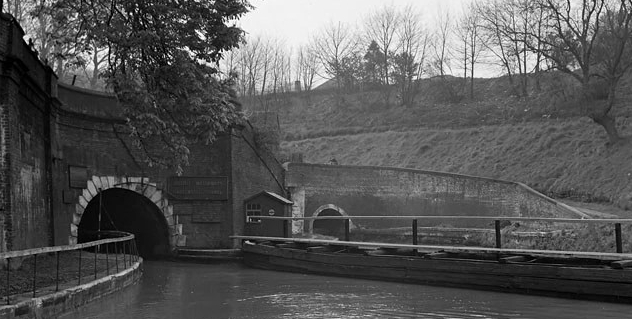
The Harecastle Tunnels on the Trent & Mersey Canal at Kidsgrove
There are no historical reasons to prevent North Staffordshire’s Industrial Landscape from becoming a World Heritage Site.
In the 18th century, North Staffordshire helped to make England “the workshop of the world.” Local entrepreneurs, like Wedgwood and Adams, transformed a group of small towns into an industrial area of international importance.
James Brindley’s Trent & Mersey Canal “kick-started” the Industrial Revolution, which made Britain “the Workshop of the World. The canal and railway tunnels between Kidsgrove and Chatterley are significant feats of civil engineering. They merit World Heritage Site status in their own right.
The Primitive Methodist Church was founded in North Staffordshire by Hugh Bourne and William Clowes. It gave the Potteries its unique culture and a way of life that Arnold Bennett vividly portrayed in his novels.
Burslem’s “old town hall” is one of the finest examples of Victorian civic architecture. The Wedgwood Institute’s terracotta facade is an inspiring tribute to the men, women and children who worked in local industries.
The former colliery at Chatterley Whitfield should have been made a World Heritage Site many years ago.
Making North Staffordshire’s Industrial Landscape a World Heritage Site would encourage economic regeneration and create new employment opportunities.
 North Staffordshire Heritage