A Walk from Kidsgrove to Biddulph via Mow Cop

Mow Cop’s craggy high point is crowned with Mow Cop Castle, an artfully ruined folly, constructed on the instruction of Randle Wilbraham, the lord of nearby Rode Hall ,in 1754. Since 1937 the castle and the gritstone rocks it sits upon have been owned and managed by the National Trust. These days the site is a country park.

Beneath Mow Cop Castle, it is very evident where gritstone was quarried over the centuries. These days, the village appears to be a quietly affluent place, but historically, quarrying meant that it was once an industrial hub.

Mow Cop, the birthplace of the Primitive Methodist Church, and Biddulph Grange Gardens will help to make North Staffordshire’s Industrial Landscape a World Heritage Site.
North Staffordshire’s Industrial Landscape Merits World Heritage Site Status

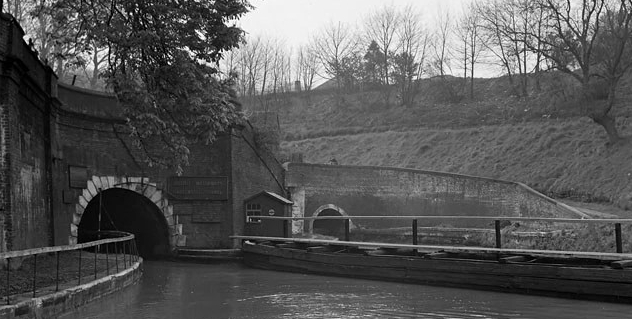
The Harecastle Tunnels on the Trent & Mersey Canal at Kidsgrove

There are no historical reasons to prevent North Staffordshire’s Industrial Landscape from becoming a World Heritage Site.

In the 18th century, North Staffordshire helped to make England “the workshop of the world.” Local entrepreneurs, like Wedgwood and Adams, transformed a group of small towns into an industrial area of international importance.

James Brindley’s Trent & Mersey Canal “kick-started” the Industrial Revolution, which made Britain “the Workshop of the World. The canal and railway tunnels between Kidsgrove and Chatterley are significant feats of civil engineering. They merit World Heritage Site status in their own right.

The Primitive Methodist Church was founded in North Staffordshire by Hugh Bourne and William Clowes. It gave the Potteries its unique culture and a way of life that Arnold Bennett vividly portrayed in his novels.

Burslem’s “old town hall” is one of the finest examples of Victorian civic architecture. The Wedgwood Institute’s terracotta facade is an inspiring tribute to the men, women and children who worked in local industries.

The former colliery at Chatterley Whitfield should have been made a World Heritage Site many years ago.

Making North Staffordshire’s Industrial Landscape a World Heritage Site would encourage economic regeneration and create new employment opportunities.