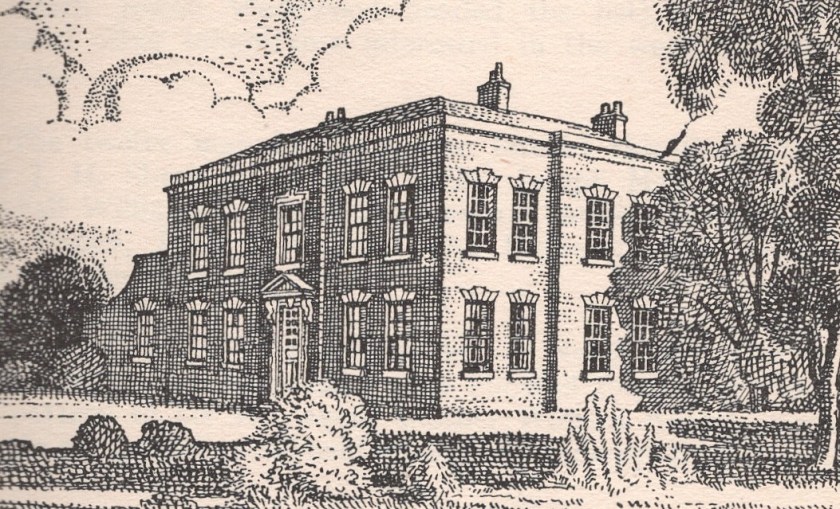
In 1770, Admiral Smith Child inherited the Newfield estate in Tunstall from his uncle Thomas Baddeley. He built Newfield Hall and died there in 1813. Admiral Child’s grandson, Sir Smith Child, inherited the estate.
In 1770, Admiral Smith Child inherited the Newfield estate in Tunstall from his uncle Thomas Baddeley. He built Newfield Hall and died there in 1813. Admiral Child’s grandson, Sir Smith Child, inherited the estate.
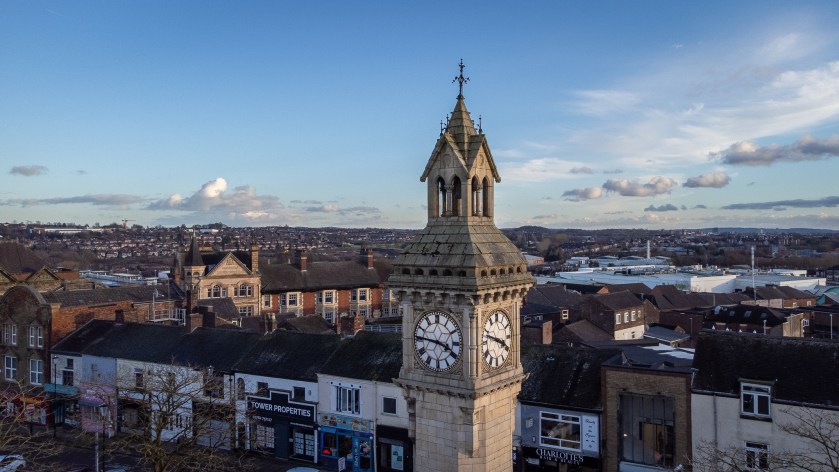
Stoke-on-Trent City Council has repaired Tunstall’s historic clock tower, and its chimes ring again.
The Grade II listed Clock Tower in Tower Square was erected in 1893. Its chimes, which fell silent in November 2024, are working again. The clock tower was built to honour local philanthropist Sir Smith Child. It features a life-size bust of him that was paid for by the Ladies of Tunstall.
The project that restored the chimes is part of a major improvement scheme aimed at regenerating Tunstall.
Councillor Finlay Gordon-McCusker, the cabinet member for regeneration, infrastructure and transport at Stoke-on-Trent City Council, said:
The Clock Tower is an essential part of Tunstall’s story and a visible reminder of the civic pride that built the town. When a landmark like this falls silent, something important is lost. Restoring the chimes is a statement of intent: that Tunstall’s heritage matters, and that we will look after what previous generations built.
In the 19th century, Stallington Hall was the home of Sir Smith Child. He was born at Newfield Hall in Tunstall. During his long life, Smith Child gave financial support to the North Staffordshire Infirmary and charities in Tunstall. He became North Staffordshire’s most generous philanthropist. The clock tower in Tunstall’s Tower Square was erected to make sure that his generosity would not be forgotten. Smith Child died at Stallington Hall on 27 March 1896. He was buried in Fulford churchyard.
The filmstrip ‘The Township of Tunstall’, last seen in the 1990s, was shown again last Saturday in Tunstall Town Hall.
Made by Highgate School in 1960, the filmstrip depicts life in the town during the 19th century and features images of historic buildings that have been demolished. Members of the audience were introduced to Anglo-Saxon Tunstall and told about the lives of Sir Smith Child and John Nash Peake.
 North Staffordshire Heritage